
Essential Maintenance Checklist for Commercial Gyms
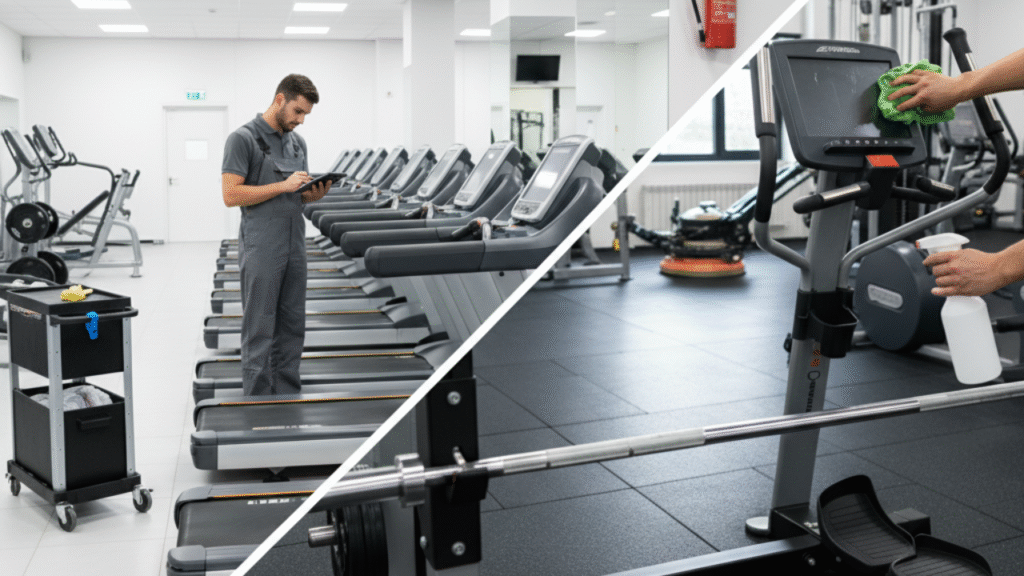
Maintaining gym equipment is crucial for ensuring safety, enhancing member experience, and prolonging the lifespan of your machines. A well-structured maintenance checklist can help gym owners and staff stay organized and proactive. Below is an essential maintenance checklist tailored for commercial gyms.
Daily Equipment Inspections: Spotting Issues Early
Regular daily inspections are vital to identify any immediate issues that could affect the safety and functionality of gym equipment. Key tasks include:
- Checking for loose bolts or parts.
- Ensuring all safety features are operational.
- Verifying that electrical components are functioning correctly.
- Listening for unusual noises during operation.
Addressing these issues promptly can prevent minor problems from escalating into costly repairs.
Weekly Deep Cleaning: Keeping Machines and Floors Fresh
A thorough weekly cleaning routine helps maintain hygiene and equipment performance. Recommended tasks include:
- Wiping down all equipment surfaces with appropriate cleaners.
- Vacuuming and mopping floors to remove dust and debris.
- Cleaning air vents and filters to ensure proper ventilation.
- Disinfecting high-touch areas like handles and buttons.
Regular deep cleaning not only enhances the gym’s appearance but also reduces the risk of equipment malfunctions.
Monthly Safety Checks: Ensuring Member Well-Being
Monthly safety checks are essential to ensure that all equipment meets safety standards. Tasks to include are:
- Inspecting cables and pulleys for wear and tear.
- Testing emergency stop functions.
- Checking weight stacks and resistance mechanisms for proper operation.
- Ensuring that all equipment is securely anchored and stable.
These checks help prevent accidents and maintain a safe workout environment for members.
Lubrication and Belt Tension: Smooth Performance Matters
Proper lubrication and belt tension are crucial for the smooth operation of cardio equipment. Recommended practices include:
- Lubricating moving parts as per manufacturer guidelines.
- Adjusting belt tension to ensure optimal performance.
- Cleaning and lubricating rollers and tracks to prevent wear.
- Checking for signs of friction or overheating.
Regular maintenance of these components can extend the life of your equipment and improve user experience.
Electrical System Monitoring: Preventing Power Failures
Monitoring the electrical systems of gym equipment is vital to prevent power-related issues. Key tasks include:
- Inspecting power cords for fraying or damage.
- Checking plug connections and outlets for signs of wear.
- Testing electrical components for proper functionality.
- Ensuring that circuit breakers and fuses are in good condition.
Regular electrical system monitoring helps avoid unexpected power failures and ensures the safety of both equipment and users.
Upholstery and Padding Care: Enhancing Comfort and Hygiene
Regularly inspect and clean all upholstery and padding on machines. Look for signs of wear, tears, or stains. Use appropriate cleaners to disinfect surfaces, ensuring a hygienic environment for all users. Replacing damaged padding promptly can prevent injuries and maintain the aesthetic appeal of your equipment.
Air Quality and Ventilation: Breathing Easy During Workouts
Good air quality is essential in a gym setting. Regularly check and replace air filters in HVAC systems to ensure proper ventilation. Clean air vents and ducts to remove dust and allergens. Consider using air purifiers in high-traffic areas to maintain a fresh and breathable environment for your members.
High-Touch Surfaces: Sanitizing for Member Safety
High-touch surfaces like door handles, light switches, and equipment buttons should be cleaned and sanitized multiple times a day. Use disinfectant wipes or sprays to kill germs and bacteria. Providing hand sanitizing stations throughout the gym encourages members to maintain personal hygiene and reduces the spread of illnesses.
Floors and Mats: Ensuring Clean and Safe Surfaces
Regularly sweep, mop, and vacuum all floor areas to remove dirt and debris. Pay special attention to mats and rubber flooring, ensuring they are free from tears or damage. Clean floors not only enhance the gym’s appearance but also reduce the risk of slips and falls.
Record Keeping: Tracking Maintenance Activities
Maintain detailed records of all maintenance activities, including inspections, repairs, and replacements. Documenting these actions helps in tracking equipment performance, scheduling future maintenance, and providing transparency during audits. It also assists in warranty claims and ensures compliance with safety regulations.
Suggested Article: The Difference Between Servicing Home Gym vs. Commercial Gym Equipment
Conclusion
Implementing a comprehensive maintenance checklist for your commercial gym ensures the safety, longevity, and optimal performance of your equipment. Regular inspections, cleaning, safety checks, lubrication, and electrical monitoring are essential components of a proactive maintenance strategy. For expert servicing and support tailored to your equipment, consider visiting https://treadmillrepairbhubaneswar.in/



1 Comment