Why Crosstrainers Often Face Belt & Resistance Issues
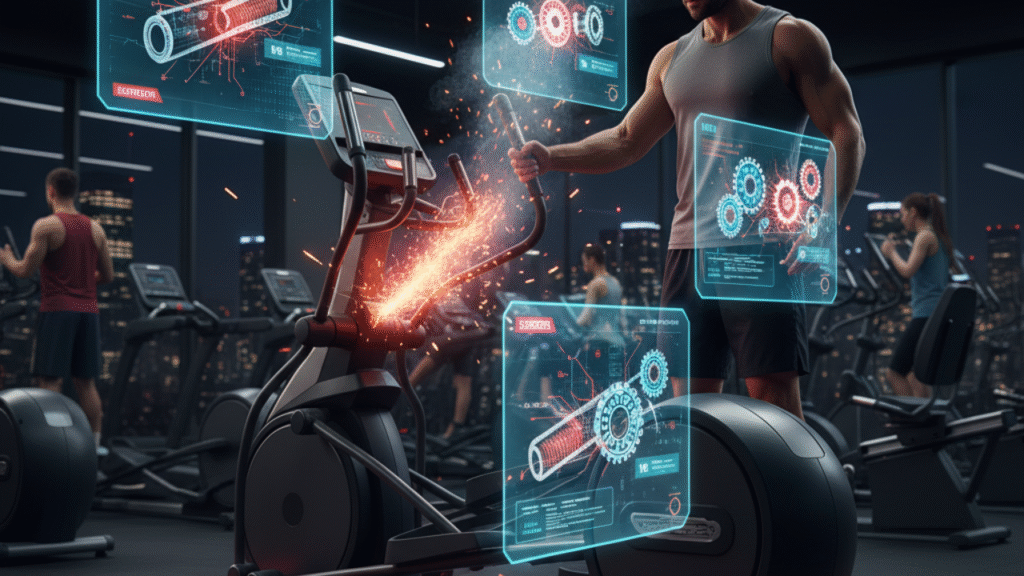
Crosstrainers are one of the most popular fitness machines for both home and commercial gyms. They provide a smooth, full-body workout — but only when they’re working properly. Over time, many users experience belt slipping or resistance malfunctions that affect performance. Understanding the reasons behind these issues can help you maintain your equipment better and extend its life.
Understanding How a Crosstrainer Belt Works
The belt in a crosstrainer connects the pedals and flywheel, allowing smooth motion while you exercise. It’s designed to transfer your effort efficiently to the machine’s resistance system. However, this belt experiences regular friction and tension, which can lead to wear and tear over time if not maintained properly.
Common Reasons Behind Belt Slipping Problems
Belt slipping is a frequent issue faced by users. It often happens when the belt loses tension due to stretching or loosening. Sometimes, misalignment of pulleys or accumulation of dust can also cause the belt to slip. Regular inspection and timely adjustments can prevent this from turning into a major problem.
What Causes Resistance to Stop Working?
Resistance issues in crosstrainers usually occur due to problems in the magnetic or mechanical resistance system. In magnetic systems, a weak power supply or faulty sensors can reduce resistance levels. In manual systems, worn-out cables or belts may cause uneven or no resistance at all. Checking these components regularly ensures consistent performance.
Signs Your Crosstrainer Belt Needs Adjustment
A few early warning signs can help you identify when your crosstrainer belt needs attention. These include jerky movements, squeaking noises, or reduced smoothness during pedaling. Ignoring these signs may cause further damage to the internal parts. Tightening or replacing the belt on time can keep your workout sessions comfortable and efficient.
How Dust and Dirt Affect Belt & Resistance Performance
Crosstrainers tend to accumulate dust, especially if placed in open or humid spaces. Dust and dirt can settle on the belt, causing friction and wear. Similarly, grime on the resistance components can interfere with their smooth function. Cleaning your machine regularly and keeping it covered when not in use helps maintain long-lasting performance.
The Role of Proper Lubrication in Smooth Functioning
Lubrication plays a major role in keeping your crosstrainer running smoothly. When the internal parts, including the belt and resistance mechanism, dry out or collect dust, friction increases. This not only causes unwanted noise but also puts stress on the belt and motor. Regular lubrication ensures smooth movement and prevents wear and tear, allowing your crosstrainer to function effortlessly.
Why Overuse Can Damage the Belt and Resistance System
Continuous and heavy use without proper maintenance can easily damage the belt and resistance components. Over time, tension builds up, leading to cracks, fraying, or slipping of the belt. The resistance motor may also wear out, reducing the intensity levels. Giving your crosstrainer regular breaks and timely servicing helps maintain balance between use and longevity.
Simple Fixes You Can Try Before Calling a Technician
If you notice minor belt slippage or resistance issues, there are a few things you can try at home. Start by checking the belt tension—if it feels loose, it may need tightening. Also, inspect for any dust or debris near the flywheel area. Resetting the machine or recalibrating the resistance settings might solve temporary glitches. However, if the problem continues, it’s best to get professional assistance.
When It’s Time to Replace the Belt or Resistance Unit
Even with the best care, belts and resistance systems have a limited lifespan. If your belt constantly slips, makes squeaking noises, or shows visible damage, it’s a clear sign of wear. Similarly, if your resistance feels inconsistent or stops responding altogether, the motor or magnets may need replacement. Timely replacement ensures better performance and avoids further mechanical damage.
Tips to Prevent Future Belt and Resistance Problems
Preventive care is always better than major repairs. Make sure to clean your crosstrainer regularly and keep it in a dry, dust-free area. Apply lubricant every few months, depending on usage. Avoid sudden changes in resistance during workouts, as it can strain the system. Lastly, schedule professional maintenance checks at least once a year to keep your crosstrainer in top condition.
Suggested Article: How to Maintain Your Crosstrainer for Smooth Workouts
Conclusion
Crosstrainer belt and resistance issues are common but can be easily avoided with proper care and maintenance. By understanding how these components work and addressing problems early, you can enjoy smooth and effective workouts for years. For expert crosstrainer repairs and servicing, visit https://treadmillrepairbhubaneswar.in/.